Reta Pen | Alluvi Nad +
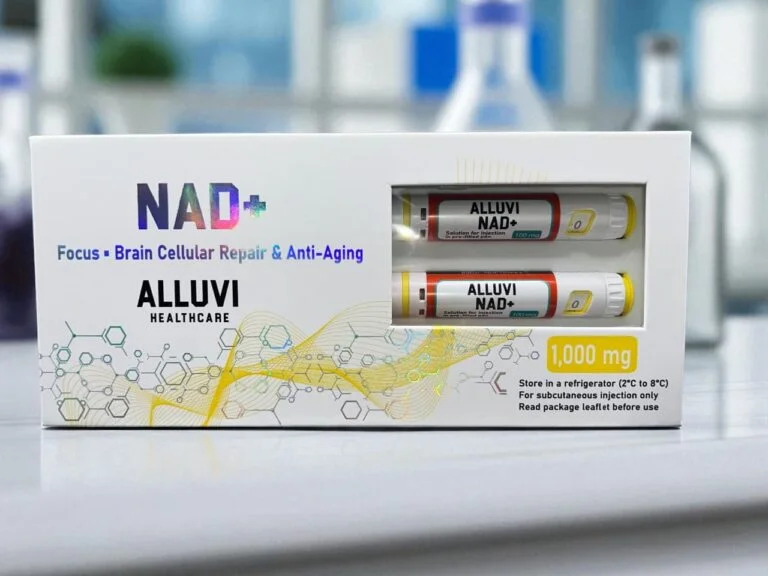
Reta Pen, Alluvi Nad + Alluvi NAD+ 1000mg (R&D Only) is a high-strength research formulation designed exclusively for laboratory and experimental use. Each unit contains 1000mg of NAD+ (Nicotinamide Adenine Dinucleotide), a coenzyme central to cellular metabolism and energy production. This product is strictly labeled “R&D Only”, meaning it is not intended for human or veterinary consumption and is not approved for clinical use. Its purpose is to support controlled studies in biochemistry, cellular biology, and metabolic research.
Reta Pen | Alluvi Nad + | Key Features
- Formulation strength: 1000mg NAD+, providing a concentrated research-grade supply.
- Delivery system: Pre-filled research pen for precise and consistent dosing in experimental setups.
- Quality assurance: Sealed batches to maintain purity and compound stability.
- Storage requirements: Refrigeration at 2–8°C; freezing must be avoided.
- Shipping protocol: Cold packs included to preserve compound integrity during transit.
Reta Pen | Alluvi Nad + | Research Applications
- Metabolic studies: Investigating NAD+’s role in energy production, mitochondrial function, and redox reactions.
- Cellular aging research: Exploring how NAD+ levels influence longevity pathways and DNA repair mechanisms.
- Neurobiology: Studying NAD+ in relation to neuronal health, signaling, and oxidative stress.
- Comparative analysis: Evaluating NAD+ alongside other coenzymes or peptide formulations to understand synergistic effects.
- Formulation testing: Assessing stability, delivery mechanisms, and compatibility with other compounds in controlled experiments.
Clinical Context
NAD+ is a naturally occurring coenzyme found in all living cells, essential for energy metabolism and cellular repair. In clinical research, NAD+ has been studied for its potential roles in aging, neurodegeneration, and metabolic disorders. However, Alluvi NAD+ 1000mg is not approved for therapeutic use. Current interest lies in understanding how NAD+ supplementation or modulation affects cellular pathways, but translation into clinical practice requires extensive validation and regulatory approval.
Considerations
- Ethical compliance: Must be used strictly within research environments under institutional and regulatory guidelines.
- Safety protocols: Proper handling, storage, and disposal are essential to maintain compound integrity.
- Limitations: Laboratory findings cannot be extrapolated to clinical practice.
- Legal restrictions: Distribution and use are restricted to R&D contexts, not for consumption.
Be the first to review “Alluvi NAD+1000mg”
Related products
Alluvi Reta Pen
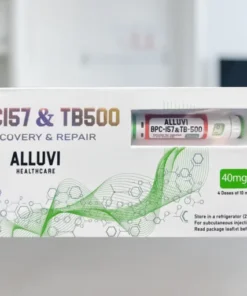
Alluvi Reta Pen
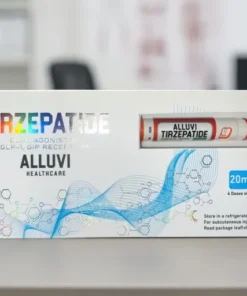
Alluvi Reta Pen
Alluvi Reta Pen
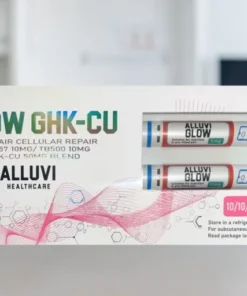
Alluvi Reta Pen
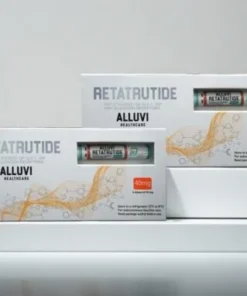
Alluvi Reta Pen
Alluvi Reta Pen
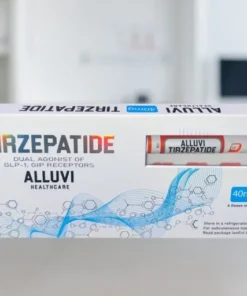
Alluvi Reta Pen
Reviews
There are no reviews yet.